
From Straw to Structure: Natural Materials Making a Comeback
How age-old building techniques are shaping the future of sustainable architecture
Introduction: The Quiet Revolution in Building
At first glance, a house made of straw or mud might conjure images of fragility, simplicity, or even fairy tales. But today, these ancient materials are re-emerging with a powerful message: the future of architecture might lie in its past. As the built environment faces intense pressure to reduce its carbon footprint, architects are turning back to the land, not out of nostalgia, but necessity.
From bamboo high-rises in Asia to hempcrete homes in Europe, natural materials are being re-engineered, reimagined, and reintroduced into contemporary practice. And they’re doing more than just looking beautiful—they're changing the way we build, think, and live.

Why Natural Materials Are More Relevant Than Ever
Construction accounts for nearly 40% of global carbon emissions, with materials such as concrete and steel among the largest contributors. As the climate crisis deepens, there's a growing call to build with less harm—or better yet, net-positive impact.
Natural materials offer a compelling alternative:
Low embodied energy: Many require minimal processing
Biodegradability: Easier end-of-life disposal or reuse
Thermal benefits: Improved insulation and energy efficiency
Cultural continuity: Taps into centuries of localised, climate-responsive design
For students and emerging professionals, embracing these materials isn't just trendy—it's essential to future-proofing your design practice.

Material Spotlights: From Primitive to Progressive
1. Straw Bale
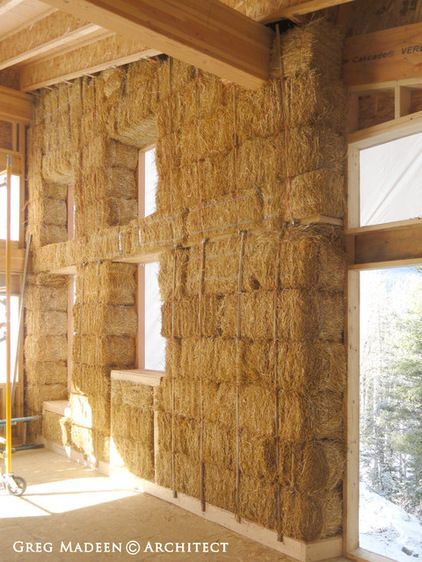
Then: It was Used for centuries in agricultural structures due to its availability and insulating properties.
Now: Straw bale is now certified in building codes in parts of the US, and used in homes and schools around the world.
🛠️ Global Case Study: LILAC Co-Housing, Leeds, UK –
This 20-home community designed by White Design uses prefabricated ModCell panels (straw bale with timber framing). It strikes a balance between affordability, thermal performance, and community-led development.

2. Rammed Earth
Then: Ancient Chinese and North African civilisations used this for fortresses and homes.
Now: Rammed earth is re-emerging as a premium material, celebrated for its mass, texture, and environmental performance.
⚒️ Global Case Studies:
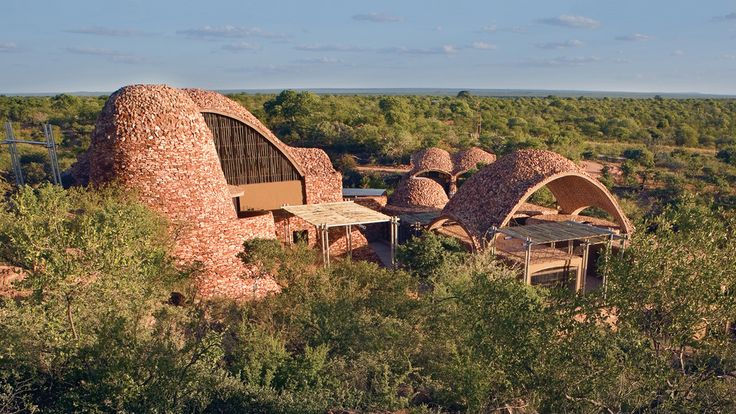
The Visitor Centre at Mapungubwe National Park, South Africa – Peter Rich Architects used rammed earth to reflect vernacular traditions and minimise environmental impact.
House on the Hill, India – Studio Motley blends modern design with rammed earth and local stone, showcasing contextual sustainability in a hot, dry climate.
3. Bamboo
Then: A staple in Southeast Asia for scaffolding, bridges, and homes.
Now: Engineered bamboo is being tested in mid-rise structures, and bamboo has even entered the luxury design space.
🌱 Global Case Studies:
Green School, Bali – Designed by IBUKU, this iconic campus uses untreated bamboo as both structure and expression.
Bamboo Sports Hall, Panyaden School, Thailand – Chiangmai Life Architects created a vaulted bamboo roof that spans 15 meters with zero steel reinforcements.

4. Hempcrete
Then: An ancient composite of hemp hurds and lime, largely forgotten.
Now: Making a return in high-performance, low-carbon architecture.
🏡 Global Case Studies:
Maison en Paille et Chanvre, France – Atelier NAA utilised hempcrete and straw to construct a modern, passive home with exceptional energy performance.
Flat House, Cambridgeshire, UK – Practice Architecture partnered with local farmers to grow the hemp used in this zero-carbon prefab dwelling.

What Students & Professionals Should Take From This
Studio Experiments: Use at least one natural material in your next project—be it structure, insulation, or envelope.
Hands-On Learning: Visit local projects or workshops using natural building techniques.
Material Literacy: Understand how traditional materials behave in different climates, and how they can be adapted to modern standards.
Code Savvy: Track regional building code updates—especially in places like California, France, and Germany, where these materials are gaining official traction.

Looking Forward: Natural Meets Digital
As materials like earth and straw rise in popularity, they're also being paired with cutting-edge tech—robotics for compacting earth, 3D scanning for bamboo joint optimisation, and AI-driven climate-responsive layouts.
We’re seeing a shift from natural vs. modern to natural + modern. The result? A regenerative design future that’s lighter on the planet and richer in meaning.
Get Involved
Have you worked with natural materials in a project or school studio? Or are you curious how to begin?
📩 Submit your stories or photos to arqdiary.com, and we might feature them in our upcoming issue on regenerative student architecture.
Let’s build smarter, together—from the ground up.

Comments